Autonomous Landing Guidance on Aircraft Carriers
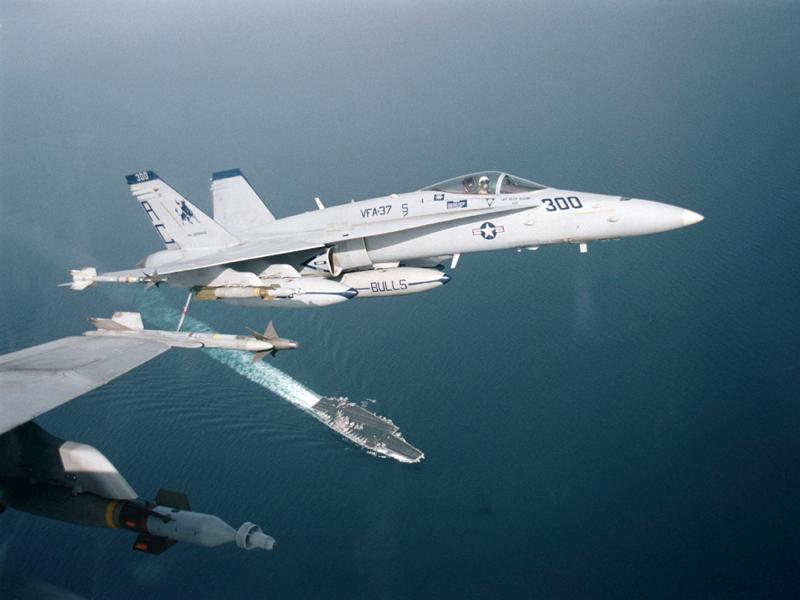
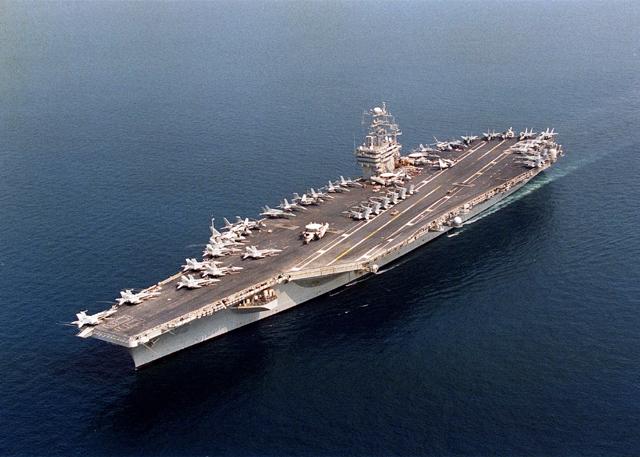
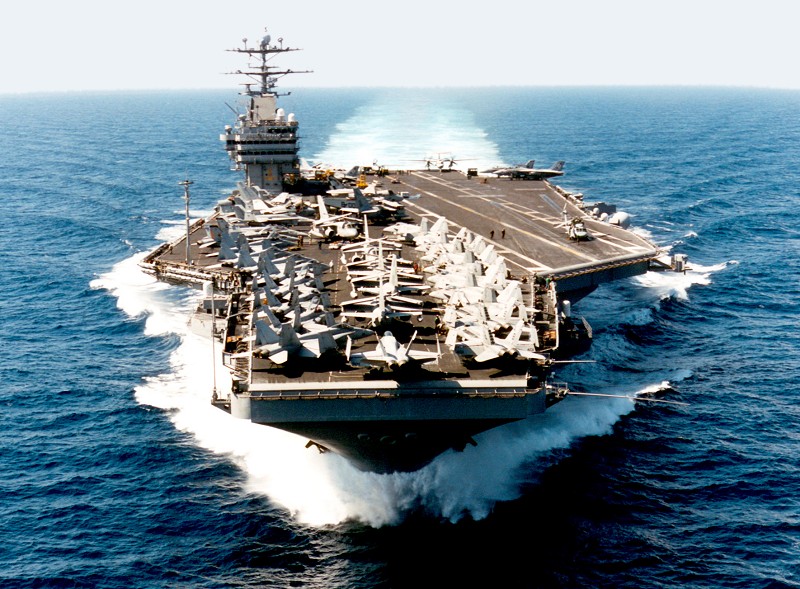
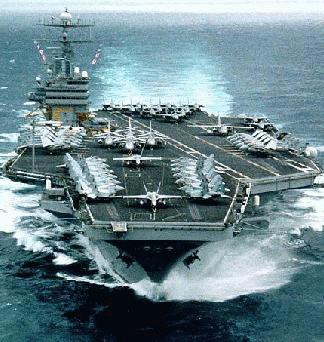
| It's a challenge for aircrafts to land on aircraft carriers. The runway is a small dot floating in the middle of the ocean. This is especially true at night or when the weather condition is bad |
|
|
|
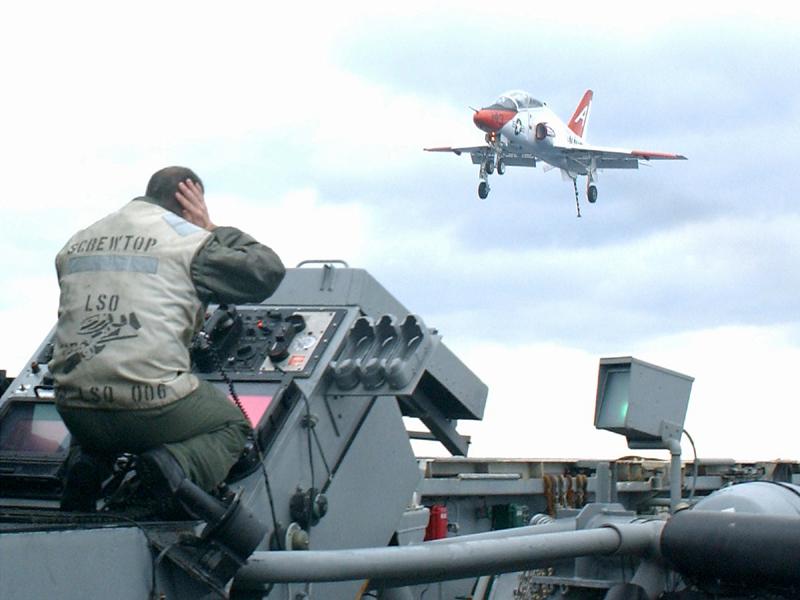
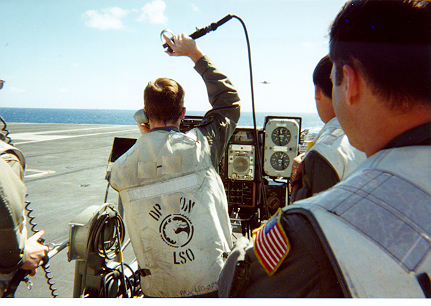
It took years of training and experience for a LSO (Landing Signal officer) to guide pilots to land on aircraft carriers. |
| As the chief architect of this $ millon dolloar multi-year Navy software project, we gathered real landing data on flight trajectory and pilot pattern and interviewed LSOs to extract guidance rules. Navy would like to have a software to assist or eventuall assist LSOs, especially under poor weather or visiibilty conditions |
|
|
|
To cope with the reality that some of the past and online data may be imprecise or missing, fuzzy logic was employed to compensate for this problem. |
| Based on online data, this intelligent software needs to predict what the aircraft may be heading to in the next few seconds and issue critical advice to the pilot to guide him/her to land on target safely. Wave-off will be issued with red flashing screen to alert landing abortion should the system predict the landing be unsuccessful. |
|
|
|
Genetic algorithm and Neural Network technology are used to adaptively help the software system learn how to predict the right flight pattern and issue right advice for LSOs. |
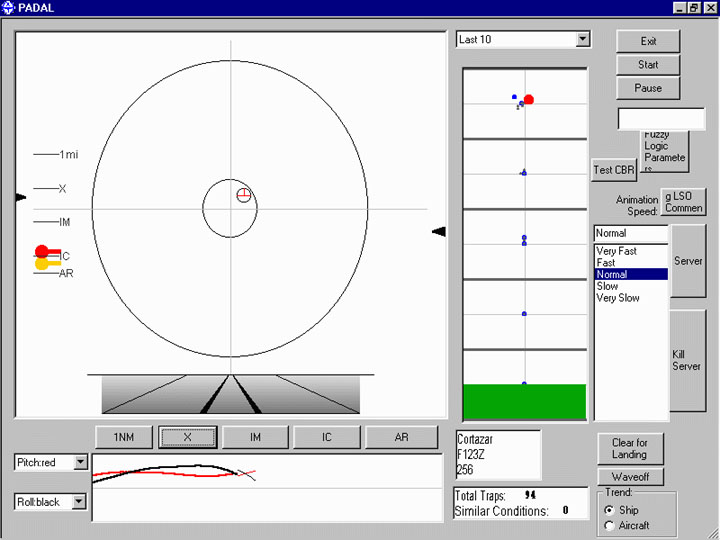
| This is what LSOs will see on the screen to help them make better landing guidance judgement. Try it here to get a feel how it feels like working as LSOs on aircraft carriers. Now you have one more choice of an airport that is always open, the $4 billion George H.W. Bush aircraft carrier. |
|